
Financial Literacy – Making sense of the dollars
All directors and managers need to understand the numbers.
All directors and managers need to understand the numbers. Financial Literacy is key to ensuring a profitable enterprise whether for profit or for purpose (not-for-profit). The Centro case in 2009 set the precedent and the benchmark standard of financial literacy especially for company directors.
This 2011 ABC Article summarises the issue well and this article, from William Roberts Lawyers, covers the penalties and guidance from Justice Middleton, on directors’ requirements for financial literacy.
In a nutshell, if you are a director or a senior manager of an organisation, you must have:
x Financial Literacy: Directors must possess the basic financial skills needed to understand company accounts;
x Active Review: Directors cannot simply "go through the motions" or delegate their core responsibility of scrutinizing financial statements;
x Accountability: The landmark decision established that board members are ultimately responsible for ensuring the accuracy of financial reporting.
Part of the defence mounted by the Centro directors was the size of the financial accounts for a global organisation (somewhere in the region they said of 3,000 pages). This raises one of my key advocacy points for boards of directors – How much is enough information, and how much is too much?
Financial Literacy
To effectively answer that question, you need sufficient knowledge of finances and be able to use that knowledge. The minimum basics that most directors should see and be able to comprehend, include:
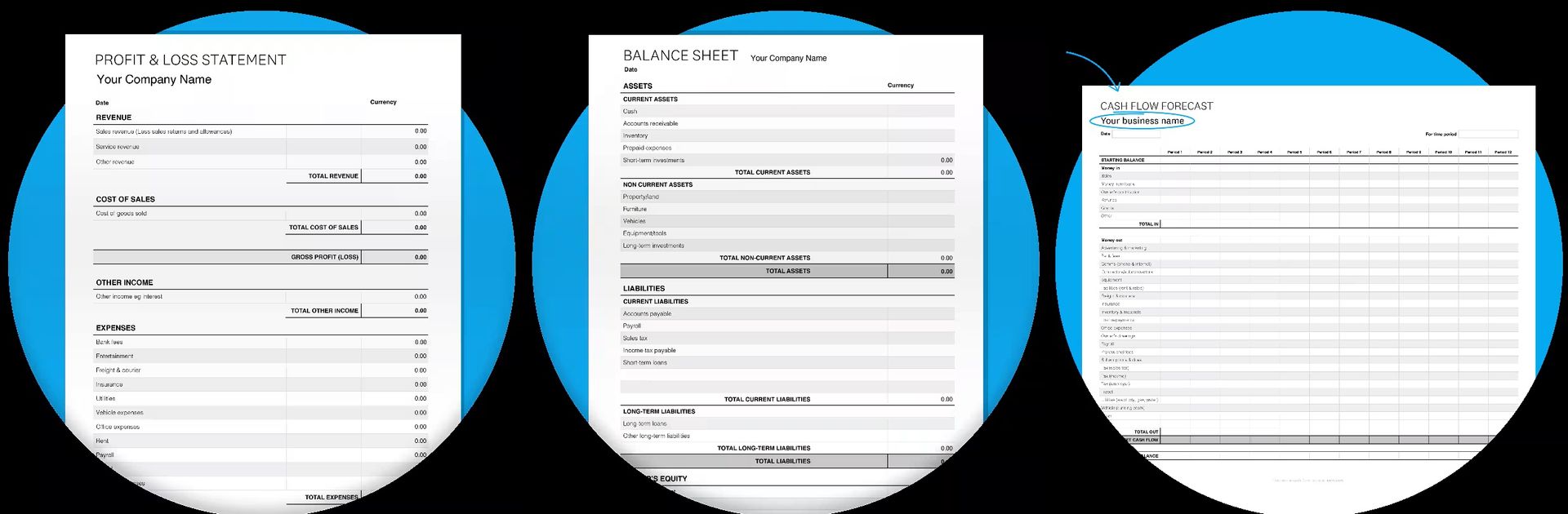
x Financial Statement or Statement of Comprehensive Income more commonly known as a Profit and Loss Statement (P&L)
x Statement of Financial Position more commonly known as a Balance Sheet
x Cashflow Projection showing when money is expected to come in and go out
x Dashboard of Key Ratios (or metrics) including things like Gross Profit Margin, Net Profit Margin, Liquidity Ratio (Assets : Liabilities), Current Ratio (Current Assets : Current Liabilities), Wages Ratio (Wages : Turnover) and Earnings Before Interest, Tax, Depreciation & Amortisation (EBITDA)
Depending on the size of your business, some boards require a Payment summary – a list of key payments made during the preceding month. The larger the organisation, the less likely you will request one of these, due to the high number of payments made on a daily or weekly basis by each business unit. Of course, this is where financial checks and balances need to be in place, to ensure no fraudulent transactions can occur and payments are genuine and authorised according to the organisations Delegation of Authority.
If you don’t understand financial reports, you must ask someone to explain them to you, so you can make your own judgement as to the state of play.
Solvency is the number one driver
Understanding if your organisation is ‘solvent’ is critical to Director and Manager oversight. It is illegal to trade insolvent. Remaining solvent, simply put, is being able to pay your bills/financial commitments as and when they fall due (e.g. loan repayments, supplier invoices, wages, superannuation etc.).
Directors and managers have fallen foul of the law by taking on additional debt, or spending money beyond their resources, leaving the organisation exposed to being declared insolvent. I have also seen (usually smaller) organisations be blindsided and fall into insolvency by the resignation of just one long term employee, who has 15 years or more long service leave entitlement to be paid on termination, and the money just is not there.
Herein lies another of the financial oversight responsibilities of the leadership team – monitoring and managing leave entitlements, so that it does not become an unwieldy amount, putting pressure on the cashflow situation of the organisation. Reminding management to keep an eye on the annual and long service leave commitments, is critical in minimising contingent liabilities that may put undue strain on the organisation’s finances.
Asking the right questions
The other key responsibility, Active Review, of the leadership team, is to ask the right questions. When you look at the numbers, look for discrepancies, or outliers, and ask ‘Why is this number different?’ Have you ever double checked the Monthly finances from one month to the next to see if previously reported numbers are the same, or have they been changed? Yes, there can be adjustments, but these can be material or a flag for some shenanigans, if you have previously been oblivious to them.

You don’t need to be an accountant (I am certainly not) but you do need to be comfortable with numbers and have an eye for patterns. One organisation recently missed a regular daily payment of $2,000, which no one interrogated, resulting in the organisation being defrauded of almost $2 million over 2 years. Apparently no-one asked ‘What is this payment for?’
When there is variation against budget, both positive and negative, ask why? When there is an unusual one-off payment, ask what for? When there is an unexpected windfall, ask where did that come from? And if the net result year on year is a loss from operations, even if you have significant backup equity, ask why? If you are going broke, having big cash reserves just means it will take longer to close the doors, than when there is no cash reserve.
You need to be actively involved in reviewing cashflow (not just focused on the budget), because understanding when the money comes in and when it needs to go out, is critical for meeting your financial commitments.
To build your organisation’s economic sustainability, you need to have a steady cashflow, a positive gross and net profit, so you can build cash reserves for future investment.
Accountability
The Centro case established that directors and managers cannot rely on others, including accountants, auditors and financial consultants, to judge the state of finances of their organisation. They also cannot claim information overload if the financial reports are too unwieldy, supporting my advice to work with the management to ensure the directors get the right amount of information, without being left with too little to oversee the state of finances.
Where organisations are large enough to have one, the suggestion is for directors to attend Finance and Audit Subcommittee meetings in order to get a more fulsome overview of the finances before a board meeting. This would enable clearer understanding of the finances, provide an opportunity for directors to question management on any errors, omissions or discrepancies identified, so that at the board meeting, the finances can effectively be approved without any further discussion.
Importantly, and sadly I have seen this situation on a recurrent basis with many clubs, the board of directors must hold management accountable for poor financial performance. If an organisation is making losses year after year, when other similar organisations are profitable and growing, the directors must interrogate the management as to the reason why.
‘It’s just the market at the moment’ is not a legitimate excuse for more than one year. After that, the board must performance manage the situation to turn it around. If a once profitable organisation starts to eat into their accumulated reserves, alarm bells must ring! In the club scenario, selling gaming machine entitlements should be an option of last resort to pump up operating capital. I am often also averse to just selling off investment properties, unless it is the best short-term strategy to assist with a business revamp.
If there are legitimate reasons for declining trade, then the board and management must consider rescue options (in the club industry particularly) of an amalgamation with a ‘Big Brother/Sister’ club. This usually results in debt being paid, management policies and procedures implemented that correct a poor business model and turn the profitability around. Community based clubs are usually needed by their community and all efforts should be made to ensure a sustainable, profitable enterprise to support the community.
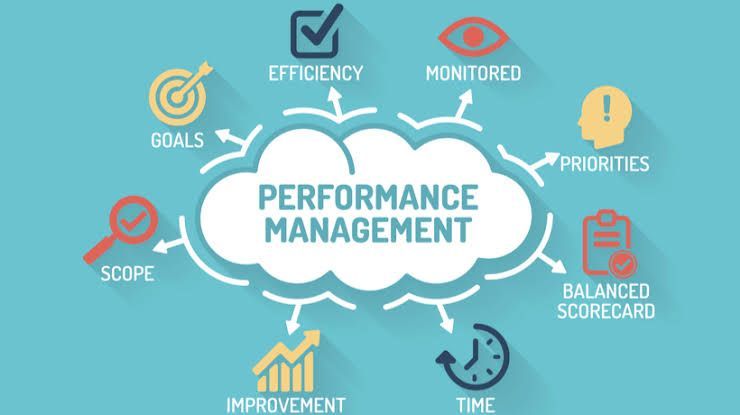
If your officers – directors and managers – apply the three key principles of financial oversight –
- Having sufficient financial literacy,
- Applying regular active review and
- Holding management, and the board as a whole, accountable,
the organisation should prosper. If you apply this due diligence to the finances, have a strategic plan to map the path ahead and proactively performance manage the management and they performance manage the staff, you will be on the road to financial sustainability.
For assistance in reviewing your board’s skills, to ensure sufficient financial literacy, contact Ron Browne ron@extrapreneurservices.com.au 0414 633 423